
Ngorongoro Crater Safari Guide: Lodges, Wildlife & Planning Tips
If you’re planning a Tanzania safari, chances are Ngorongoro Crater is already on your itinerary. And for good reason.
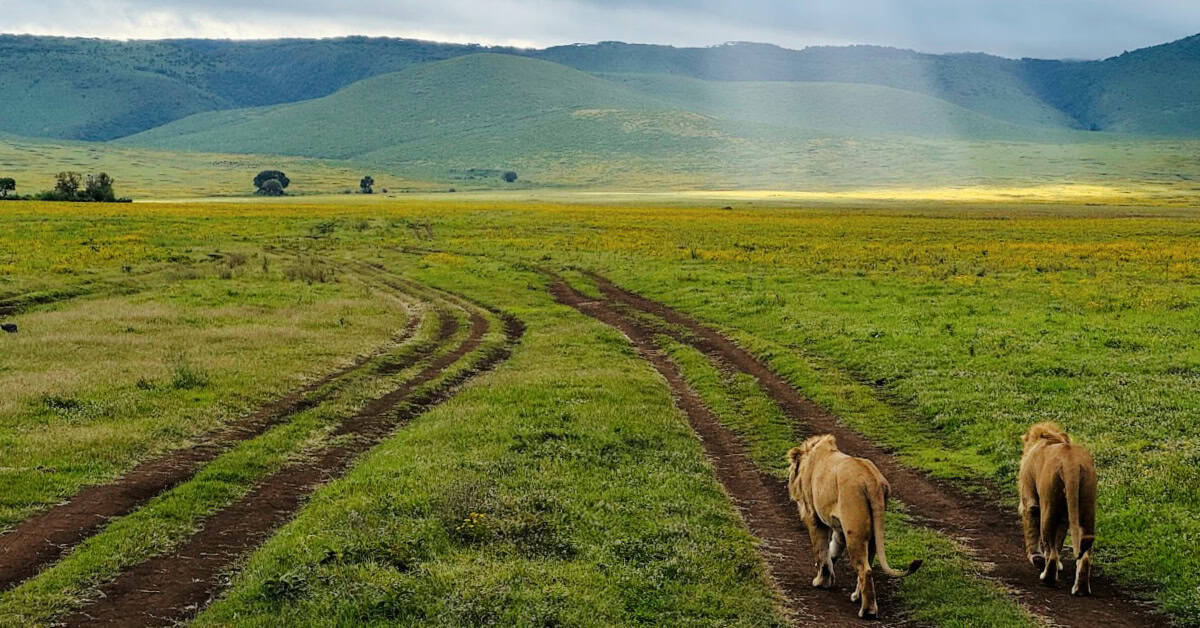
This massive volcanic caldera is one of the most wildlife-rich environments in Africa. The day typically starts with a drive down the crater wall just after sunrise. As the road curves toward the bottom, the entire crater floor suddenly opens up and it’s full of 25,000 animals.
Lions lounging in the grass. Zebras and wildebeest grazing across the plains. Flamingos gathered along the lake. It’s one of the most unique safari landscapes in Africa.
My husband and I spent two nights on the crater rim before continuing on to the Serengeti, and it ended up being one of the highlights of our 8-day Tanzania safari.
Here’s everything we learned that will help you plan your own Ngorongoro safari.
* Some of the links in this post contain affiliate links. If you make a purchase through these links, we may receive a small commission at no extra cost to you. All recommendations are from first-hand experience that I feel will deliver value to you! Thank you for your continued support.
FOLLOW & SHARE WITH A FRIEND!


What Is Ngorongoro Crater?

Ngorongoro Crater as seen from the Viewpoint
Ngorongoro Crater is the largest intact volcanic caldera in the world and one of the most remarkable landscapes in Africa.
Unlike the vast open plains of the Serengeti, the crater forms a natural bowl where grasslands, forests, wetlands, and lakes all exist within a single enclosed ecosystem.
Because many animals stay inside the crater year-round, it’s one of the best places in Africa to see an incredible variety of wildlife in a single day.
Ngorongoro is also part of the larger Ngorongoro Conservation Area and has been designated a UNESCO World Heritage Site.
Is Ngorongoro Crater Worth Visiting?

Warthog with a serious itch in the Crater in Tanzania
Yes. Absolutely!
What makes Ngorongoro special isn’t just the wildlife.
It’s the setting.
Instead of driving across endless plains like you do in the Serengeti, you’re exploring a contained ecosystem where grasslands, forests, lakes, and wildlife all exist within one massive crater.
During our full day inside the crater, there was almost always something happening around us.
One minute we were watching lions toying with guineafowls in the wildflowers, the next we were spotting bright pink flamingos along the lake or scanning the distance for the black rhinos.
And then there were the unexpected moments, like the warthog we watched enthusiastically scratching every part of his body against a rock like it was the best back scratcher on earth.
Definitely one of the funniest safari moments of the day!
It’s one of the few places on safari where you can see an incredible variety of wildlife in a single day, all within one dramatic landscape.
How Many Days Do You Need in Ngorongoro?

Three lionesses waking up from a nap in the Crater
In my opinion, two nights is the sweet spot.
A lot of itineraries only spend one night here, which usually means you:
- Arrive in the afternoon
- Do a quick crater drive the next morning
- And then leave for the Serengeti
It works, but it can feel rushed.
Staying 2 nights gives you a much better experience because you can:
- Actually enjoy the lodge (especially if you pick one worth hanging out in. We loved Craters Edge!)
- Settle in after a long travel day
- Spend a full day inside the crater instead of squeezing everything into a half-day
- Relax during a bush picnic lunch inside the crater instead of racing between sightings
Having that full day makes a big difference. The crater has an incredible amount of wildlife, and more time means more chances to see everything.
That’s exactly what we did, and the entire experience felt much more relaxed.

Hi, I’m Nichole. The discerning traveler, wine lover, and adventure seeker behind Enriching Pursuits.
On this website, you'll find expert insights, honest reviews, and carefully curated experiences worth your time.
I specialize in uncovering the best outdoor adventures (especially snorkeling!), incredible foodie experiences, and boutique stays for travelers who appreciate the details as much as I do.

Want more?
Stick around, explore more, and the next time you plan a trip, just Google Enriching Pursuits!
Is this your travel style?
Then subscribe below to receive my latest updates on:
→ Boutique Stays — Hotels loaded with charm & warm service
→ Sip & Savor — Wine getaways with must-visit wineries and eats
→ Outdoor Adventures — Epic snorkeling, hikes, and bike trails
→ Foodie Finds — From hidden gems to Michelin-star dining
→ Smart Travel Gear — Product reviews that make travel better
→ Nichole Pro Tips — Save smart, splurge wisely!
Where To Stay in Ngorongoro Crater

View of the Crater from our tent at Craters Edge in Tanzania
Most lodges sit right along the crater rim, which means incredible views almost everywhere you stay.
But one thing many travelers don’t realize is that location along the rim really matters.
Some lodges are much closer to the descent roads than others, and that can make a big difference when you’re trying to get down to the crater floor early in the morning.
A few luxury lodges worth considering:
Craters Edge
The lodge we chose for our stay was the amazing Craters Edge.
It sits just minutes from the Lemala Gate, which meant we were able to descend into the crater quickly and maximize our wildlife viewing time. The property feels intimate with just 17 tented suites, giving it a quiet boutique safari-lodge atmosphere.
If you’re curious, be sure to read my full Craters Edge Ngorongoro review for a detailed look at the rooms, food, and safari experience!
Lemala Osonjoi Lodge
Lemala Osonjoi Lodge is a newer gorgeous lodge located close to the Lemala Gate with a more modern design style.
The property has 20 suites and even includes an indoor heated swimming pool, which sounds pretty incredible after a long day of safari drives.
Lion’s Paw Camp
Lion’s Paw is another great option located near the Lemala descent road with 17 suites.
It’s one of the more affordable crater rim lodges that offers excellent access to the crater floor.
The Highlands (Asilia)
The Highlands is a really unique property with just 8 dome-shaped suites that look a bit like winter igloos. It’s a stunning lodge with a strong design focus, though it sits farther from the main crater descent road.
During our safari we actually stayed at two other Asilia properties in the Serengeti, Dunia Camp and Namiri Plains, and absolutely loved both of them, so we already know the brand delivers a fantastic safari experience.
Ngorongoro Lodge Meliá Collection
Ngorongoro Lodge Meliá is a much larger property with around 60 rooms and a more modern resort-style feel rather than the classic tented safari lodge atmosphere.
What it lacks in intimacy it makes up for with arguably some of the best crater views anywhere, plus amenities like a spa, fitness center, and swimming pool.
Interestingly, we ended up stopping for an excellent rooftop lunch at another Meliá property, Gran Meliá Arusha, at the end of our safari before heading to the airport.
Staying in Karatu vs Crater Rim
When planning a Ngorongoro safari, you’ll quickly notice two main places people stay:
• Karatu (a town outside the conservation area)
• The crater rim
Both options work, but the experience is quite different.
Staying on the Crater Rim

A Ngorongoro Crater Map View
We chose to stay on the crater rim, and for us it was absolutely worth it.
Lodges on the rim sit along the edge of the crater, which means incredible views and much quicker access to the crater floor in the morning.
Advantages:
• Shorter drive to descend into the crater
• Beautiful crater views from many lodges
• Easier to start game drives early
We stayed at Craters Edge, which sits just minutes from the Lemala Gate, so we were able to get into the crater quickly and maximize our wildlife time.
The biggest downside is the price. Rim lodges are generally more expensive because of their location.
Staying in Karatu

Lunch at Gibb’s Farm in Tanzania
Karatu is located outside the Ngorongoro Conservation Area and has many excellent lodges and farms.
We actually stopped in Karatu for lunch at Gibb’s Farm, which was fantastic. The food was fresh and abundant, much of it coming straight from their gardens.
But the stop also gave us a good sense of the driving distance involved.
Just getting from Gibb’s Farm in Karatu to the main entrance at Ngorongoro’s Lodoare Gate took about 40 minutes, and then it was another hour and twenty minutes from the gate to our lodge on the crater rim.
Advantages of staying in Karatu:
• Usually more affordable lodging
• Beautiful countryside and coffee farms
• Charming properties like Gibb’s Farm
The trade-off is simply more driving time before and after your crater safari.
Which One Is Better?
If your budget allows, staying on the crater rim makes the experience much smoother and gives you more time inside the crater.
But if you’re looking for a more relaxed countryside stay at a lower price point, Karatu can be a great option.
Best Time to Visit Ngorongoro Crater
Green Season (Late March – Mid May)

A male lion watching guineafowls surrounded by yellow wildflowers in the Crater during green season
Ngorongoro can be visited year-round, but the experience does change a bit depending on the season.
We visited during green season, toward the END of May to have a chance at better weather.
Yes, this is during the long rainy season, but honestly we loved it.
You might be surprised I’m recommending the green season, but for us it ended up being the best VALUE season for a luxury safari.
Pros:
• Lush green landscapes with numerous yellow wildflowers
• Dramatic skies that make photos look incredible
• Fewer safari vehicles in the crater
• Lower rates at many luxury lodges
Things to keep in mind:
• Long rainy season
• Muddy roads
Yes, we did get a little drizzle at times, but the crater was unbelievably green with yellow wildflowers scattered across the plains. It made the whole landscape feel more alive.
Dry Season (June – October)
This is the most popular time to visit.
Pros:
• Premium wildlife viewing
• Clearer skies, warmer, dry roads
Things to keep in mind:
- More vehicles in the crater
- Higher lodge prices
- Dustier
Both seasons have their advantages. If you’re looking for lush scenery and fewer crowds at almost half the cost, green season can be a really beautiful time to visit!
What Animals Can You See in the Crater?

Beautiful elephants munching among the wildflowers in the Crater in Tanzania
Ngorongoro is famous for its incredible wildlife density, which means you can see a lot in a single day.
Some of the animals you’ll most commonly encounter include:
• lions
• elephants
• zebras
• wildebeest
• buffalo
• gazelles
• warthogs

A watchful ostrich in the Ngorongoro Crater
It’s also one of the best places in Tanzania to spot the endangered black rhino, although sightings are often from a distance.
Another thing that surprised us was how many birds we saw!
Even if you’re not a big bird person, the crater is full of them. We spotted everything from flamingos and crowned cranes to birds like the black-shouldered kite and the brightly colored superb starling.
One of our most exciting sightings, though, was a serval, a sleek spotted cat that’s notoriously difficult to see on safari.
And somehow we got lucky enough to see two during the trip. One inside the crater and another later in the Serengeti.
Not bad odds for such an elusive cat.
What a Safari Drive in Ngorongoro Is Like

Hubby taking photos in the pop-up safari vehicle in Tanzania
Safari days usually start early.
We were up around 6:00 am and rolling by 6:30 to begin the descent down into the crater.
Only pop-up safari vehicles are allowed inside Ngorongoro.
If you’re new to safari travel, I explain the different Tanzania safari vehicle types in a separate guide.
The sightings can start quickly.
Within the first hour we spotted two male lions. At one point, one of them casually walked over and marked his territory on the spare tire of a nearby safari vehicle before strolling down the road like he owned the place.
Definitely one of the more memorable safari moments!
Wildlife sightings continued throughout the day. We saw everything from elephants and zebras to flamingos.
If you spend the full day inside the crater, most lodges pack a picnic lunch that you enjoy at designated picnic sites like Lerai Forest.
Are There Bathrooms Inside the Crater?

Large clean bathroom in the Ngorongoro Crater
Yes, there are.
We personally stopped at two different bathrooms during our full-day safari: one larger nicer restroom facility and another small (but still nice) at the Lerai Forest picnic area, where many guides stop for lunch.

Smaller bathroom at Lerai Forest picnic area
They were actually quite clean and well maintained (and yes, they even had toilet paper and soap), which was a pleasant surprise when spending an entire day exploring the crater floor.
And yes, I even took photos of the bathrooms to show just how clean and well-maintained they were, lol.
Drive-In Safari vs Fly-In Safari

We did a combo of drive-in and fly-in safari
There are two main ways travelers reach Ngorongoro Crater, and each has its own advantages.
Drive-in Safari
This is the option we chose for the first leg of our 7-night Tanzania itinerary.
Our Pristine Trails private guide picked us up at Kilimanjaro International Airport, and we drove toward the crater.
Along the way we stopped at a few places including:
• Cultural Heritage Center in Arusha (don’t miss my favorite Ausha stops)
• Gibb’s Farm for lunch
The drive also gave us a small glimpse into everyday life in Tanzania. We passed school kids in uniforms, Maasai herding cattle, and busy roadside markets before heading into safari country.
Fly-in Safari

Flying in a bush plane in the Tanzania Serengeti
Another popular option is flying between safari regions on small bush planes.
After our crater stay, we actually did this for the Serengeti portion of our trip. We flew from Lake Manyara to Seronera, and later from Seronera back to Arusha.
The flights were surprisingly smooth, with incredible views of the savannah stretching out below.
If you’re curious what flying on one of these small planes is actually like, I share the full experience in my bush plane safari review.
And for a full breakdown of how to decide between the two, including costs and how many days you need, read my fly vs. drive safari Tanzania guide.
What Should You Pack for Ngorongoro?

Me posing in front of lions at Ngorongoro Crater in Tanzania
Safari mornings can be surprisingly chilly, especially when you’re riding in an open pop-up safari vehicle before the sun fully warms things up.
A few items we were really glad we packed:
• Light jacket for early morning drives
• Stretchy pants (you’ll be standing a lot to look out through the pop-up roof)
• Camera with a zoom lens for wildlife sightings
Having the right gear makes those long safari days much more comfortable.
If you’re trying to figure out what actually works on safari, I also put together a full safari clothing guide and Tanzania packing list with everything that earned a spot in my bag.
Luxury Ngorongoro Safari Cost

Gorgeous bathtub in our tent at Craters Edge
Safari prices can vary quite a bit depending on the lodge, season, and level of luxury.
For reference, our stay at Craters Edge cost $1,550 per night for two people when we visited in May during green season.
If we had visited this same lodge just a month later in June (high season), the same room would have been almost double the price at around $2,880 per night.
That rate included quite a lot:
• full board meals
• house drinks (excluding champagne)
• laundry
• transfers
• safari drives
Green season often offers lower rates at many luxury lodges, which was one of the reasons we chose to visit at the end of May.
Even with a little drizzle here and there, the crater was incredibly lush and green, and the dramatic skies made for beautiful safari scenery.
For travelers looking for something a bit more affordable while still staying on the crater rim, Lion’s Paw Camp is another highly rated option I mentioned earlier.
It’s also well positioned near the descent road and typically costs around $700 per night for two people during green season, roughly half the price of the other luxury crater lodges.
Our Ngorongoro Safari Itinerary

An observant zebra in the Ngorongoro Crater
Here’s our 3-day itinerary we followed, which worked really well:
Day 1
- Fly into Kilimanjaro International Airport (JRO)
- Drive to Ngorongoro Crater with fun stops in Arusha and Gibb’s Farm along the way
- Check into a lodge on the crater rim
Day 2
- Full day safari drive inside Ngorongoro Crater
Day 3
- Drive to Lake Manyara Airstrip
- Fly from Lake Manyara to Seronera to begin the Serengeti portion of the trip
After Ngorongoro, we spent five nights in the Serengeti, first staying at the all women-led Dunia Camp and then finishing our trip with a big-cat finale at Namiri Plains!
Final Thoughts
Ngorongoro Crater ended up being one of the highlights of our entire Tanzania safari, and it’s easy to see why it appears on almost every safari itinerary.
It offers a completely different safari experience compared to the vast open plains of the Serengeti. Everything feels concentrated here.
If you’re trying to decide between the two destinations, I break down the differences in more detail in my Serengeti vs Ngorongoro safari comparison.
One thing I’d recommend when planning your trip is to slow the schedule down a bit.
Spending two nights on the crater rim gives you the flexibility to enjoy the lodge, settle into the rhythm of safari life, and dedicate a full day to exploring the crater without feeling rushed.
If you’re planning your own Ngorongoro safari, hopefully this guide helps you understand the logistics and make the most of your time in one of Africa’s most extraordinary landscapes.

I’m Nichole, the author of all the blog posts on Enriching Pursuits. Think of me as your geeky discerning travel friend who dives deep (Google Page 20, forums, travel groups deep!) to uncover the best ways to enjoy exceptional outdoor adventures and foodie experiences.
My husband and I are experienced snorkelers, day hikers, and casual cyclists who also love delicious street food, an incredible glass of wine, and the occasional Michelin-starred meal.
Balancing full-time careers, we cherish every second of our vacation days and love sharing tips to help you do the same. If this sounds like your kind of travel, subscribe below or drop me a note with any questions. I’d love to hear from you!
Related Content

Fly vs. Drive Safari in Tanzania: Honest Breakdown After Doing Both
When my husband and I started planning our 8-day Tanzania...

Serengeti vs Ngorongoro Safari: Which Is Better?
When my husband and I started planning our 8-day Tanzania...

My 8 Day Tanzania Safari Itinerary: Serengeti + Ngorongoro Crater
Planning a Tanzania safari itinerary sounds simple at...

Craters Edge Ngorongoro Review: Worth the Stay?
Our epic 8-day Tanzania safari itinerary was carefully...
REACH OUT, FOLLOW, OR SHARE THIS POST WITH A FRIEND!
Questions about my Ngorongoro Crater Safari Guide?
Let me know in the comments below!
0 Comments